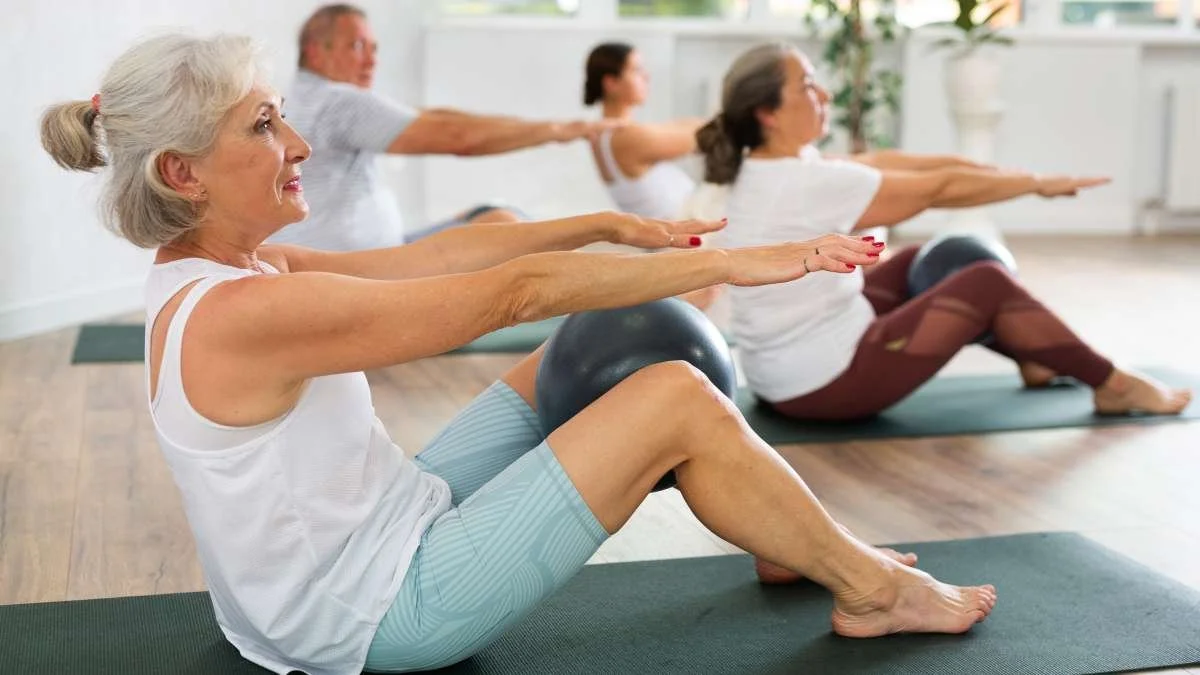
Functional Fitness for Aging Gracefully
Building Strength and Mobility
FUNCTIONAL FITNESS FOR AGING GRACEFULLY:
BUILDING STRENGTH AND MOBILITY
As the population ages, the pursuit of healthy and active aging has become increasingly important. One approach that has gained significant traction is functional fitness, a holistic training method that focuses on improving strength, mobility, and overall quality of life in older adults. This article delves into the trend of functional fitness for aging gracefully, discussing its benefits, potential risks, scientific foundations, practical applications, and concludes with a sample weekly workout routine.
The Benefits of Functional Fitness for Aging Adults:
Functional fitness revolves around enhancing the body's ability to perform daily activities with ease and reducing the risk of injuries associated with aging. It offers numerous benefits:
Improved Functional Independence: Functional fitness exercises are tailored to mimic movements used in everyday life, such as bending, reaching, and lifting. This leads to increased independence in daily activities.
Enhanced Strength and Muscle Mass: Regular functional fitness training helps counteract age-related muscle loss, or sarcopenia, by building and maintaining muscle mass and strength.
Better Balance and Coordination: Functional exercises challenge stability, promoting better balance and reducing the risk of falls, a major concern for older adults.
Increased Flexibility and Range of Motion: Functional fitness exercises incorporate dynamic stretches that improve flexibility and joint mobility, allowing for smoother movement and reduced stiffness.
Pain Reduction: Improved muscle balance and alignment can alleviate common age-related aches and pains, particularly in joints like the hips, knees, and lower back.
Enhanced Cognitive Function: Functional fitness routines that engage both the body and the mind can contribute to improved cognitive function and mental well-being.
Potential Risks and Considerations:
While functional fitness offers many benefits, it's crucial to approach it with care. Older adults should consider the following factors:
Individualized Approach: Functional fitness programs should be tailored to an individual's current fitness level, medical history, and specific goals to prevent overexertion and injury.
Professional Guidance: Working with certified fitness trainers or physical therapists with expertise in aging can help design safe and effective routines.
Gradual Progression: Gradually increasing the intensity and complexity of exercises is important to avoid strain or excessive stress on the body.
Medical Clearance: It's advisable for older adults to consult their healthcare provider before starting any new exercise program, especially if they have underlying health conditions.
Scientific Foundations of Functional Fitness:
Functional fitness draws from exercise science, biomechanics, and physiology. Its foundation lies in the concept of "functional movements," which are multi-joint, multi-muscle exercises that replicate real-life actions. By focusing on these movements, functional fitness optimizes the body's natural movement patterns and promotes better functional capacity.
Practical Applications and Sample Weekly Workout:
A well-structured functional fitness routine may involve a combination of resistance training, bodyweight exercises, balance and coordination drills, and flexibility work. Keep in mind all muscle groups must be worked equally to maintain muscular balance and aid in joint stability. Much of these suggestions do not involve machines, but they are a great place to start as you assess a client's strength levels and movement patterns. One of the Most Vital aspects of working with seniors is to have open dialogue. They must feel comfortable communicating any discomfort they feel as this will indicate a needed modification or complete change in the exercise to maintain the client's safety. It is imperative that all exercises are performed with proper alignment and breathing. Here's a sample workout that can be grouped in various ways (upper with cardio-balance or lower with functional movement… any combination [mindfull of muscle balance] just not typically all in one day) to be performed several days a week for aging adults:
Full-Body Strength:
Squats: 2 sets of 12 reps (squats can be done to whatever level appropriate for the client [ball squats, holding onto a bar on the smith machine, sit to stand from bench, etc] add weight progressively)
Hamstring curls: 2 sets for 12 reps (this can be on a machine or with a stability ball [glute bridges can be substituted but are a great add in])
Calf raises: 2 sets or 15 reps (change to single leg raises progressively)
Push-ups (knee or wall): 2 sets of 10 reps (if shoulders or wrists inhibit, try chest press machine, or light dumbbells for chest press [close grip presses are shoulder friendly], increase weight progressively)
Bent-over Rows: 2 sets of 12 reps (this can be performed with dumbbells or resistance bands in a seated or standing position)
Upright Rows: 2 sets of 12 reps (this can be performed with dumbbells or resistance bands)
Biceps curls: 2 sets 12 reps (seated or standing with dumbbells or resistance bands)
Triceps extensions: 2 sets 12 reps (seated or standing with dumbbells or resistance bands)
Abdominals - Seated half roll back: 2 sets of 12 reps (client holds resistance band while trainer holds other end of band or anchor band, cue inhale on the way back and exhale on crunch forward with abdominals pulling in toward spine)
Cardio and Balance:
Single-leg balance exercises: 3 sets of 30 seconds per leg
Brisk walking or stationary cycling: 20-30 minutes
Flexibility and Mobility:
Dynamic stretching routine: 10 minutes
Total body static stretching: 20-30 minutes
Functional Movements:
Step-ups: 3 sets of 12 reps per leg
Lateral leg swings: 3 sets of 10 reps per leg
Seated leg lifts: 3 sets of 12 reps
Standing leg kick backs: 3 sets of 12 reps
Bird-dog exercise: 3 sets of 10 reps per side
Glute bridges: 3 sets of 12 rep